The Bronx Built It, Downtown Bought It
A borough the city had written off spent the eighties inventing the loudest culture of the century. Power ran off a lamppost, the studio was a park bench, and the gallery moved at forty miles an hour through a tunnel.
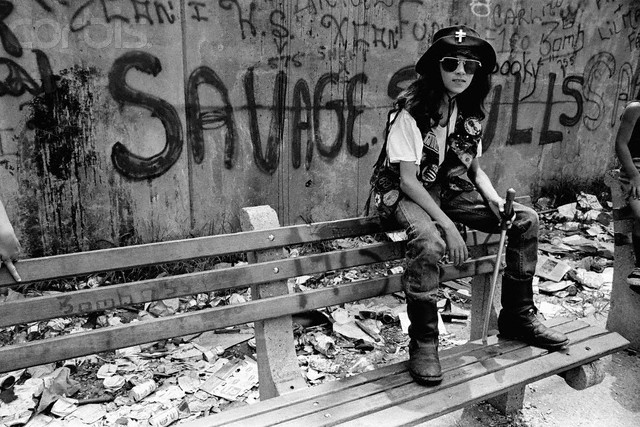
It started with a plug and a screwdriver. Before anyone was calling it a scene, teenagers in the South Bronx were cracking open the base of a streetlight, splicing into the city's own current and running it to a pair of turntables in the park. The Cross Bronx Expressway had cut the neighbourhood into pieces, landlords were letting buildings burn for the insurance, and the municipal answer to all of it was to close the community centres. What filled the gap was a sound system, a folding table, and somebody's older cousin on the microphone telling everyone to throw their hands in the air. Nobody was documenting it. There was no reason to think it would outlast the summer.
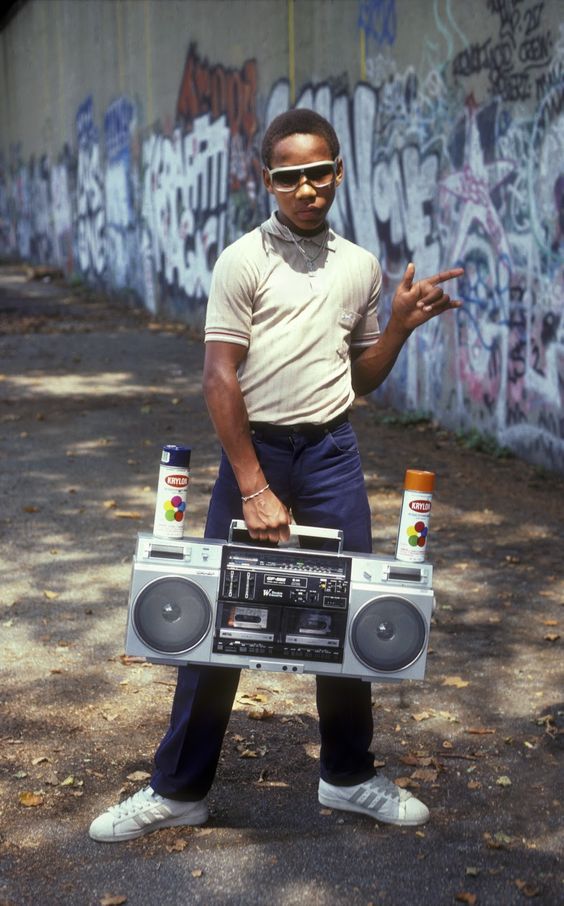

The technical leap was almost absurdly simple: take the four bars of a record where everything drops out except the drums, and refuse to let them end. Two copies of the same twelve-inch, a mixer, and a hand steady enough to spin one back while the other played. The break — the bit dancers had always waited for — became the entire song. From there the arms race was on. Cutting, backspinning, scratching, cueing by candlelight in a bedroom until the sequence was muscle memory. The DJ was the band. The MC, at first, was there to keep the crowd moving and give the DJ cover, and only later worked out that the rhymes could carry weight of their own.
“Everybody in the park was waiting on the same eight seconds. All I did was work out how to stop the record getting to the end of them.”
— Curtis "Ray-Ray" Wilkes, DJ
Uptown, the other half of the culture was riding the 2 and the 5. Writers spent nights in the layup yards at Ghost Yard and Coney Island with racked cans of Rusto and Krylon, working in the dark on trains that would carry their names through every borough by morning. A whole car took hours and a nerve most people don't have. The pieces were letters first and foremost — arrows, extensions, connections, colours fading into each other in ways that took years to learn and about three seconds to read from a platform. The MTA answered with acid baths and buffing crews, so the work was designed to be temporary. Photographs and a handful of black books are most of what survives.

Then there was the floor. B-boys and b-girls turned the break into a discipline with its own grammar: toprock, the drop, footwork on the linoleum, freezes held long enough to make a point. Crews battled for territory and reputation, and the losing side went home to invent something the winners hadn't seen. The uniform mattered as much as the moves — shell toes with the laces fattened and the tongue pushed forward, Kangol bucket hats, nameplates, sheepskins in January. By 1982 the downtown clubs had caught on, and the Roxy was putting Bronx crews on a bill with punk bands and art school kids. Two worlds that had spent a decade ignoring each other found they had a lot to talk about.
“You're up all night on something you know is gone inside a week. That's not sad, that's the deal. You're writing on a thing that moves.”
— Marisol "Trace" Delgado, writer
Then there was the floor. B-boys and b-girls turned the break into a discipline with its own grammar: toprock, the drop, footwork on the linoleum, freezes held long enough to make a point. Crews battled for territory and reputation, and the losing side went home to invent something the winners hadn't seen. The uniform mattered as much as the moves — shell toes with the laces fattened and the tongue pushed forward, Kangol bucket hats, nameplates, sheepskins in January. By 1982 the downtown clubs had caught on, and the Roxy was putting Bronx crews on a bill with punk bands and art school kids. Two worlds that had spent a decade ignoring each other found they had a lot to talk about.
The rest happened fast. Films put the culture on screens in Tokyo and London before half of Manhattan had noticed. A label started in a college dorm on University Place began pressing records that sounded like nothing on the radio: drum machine, guitar, a voice with no interest in singing.
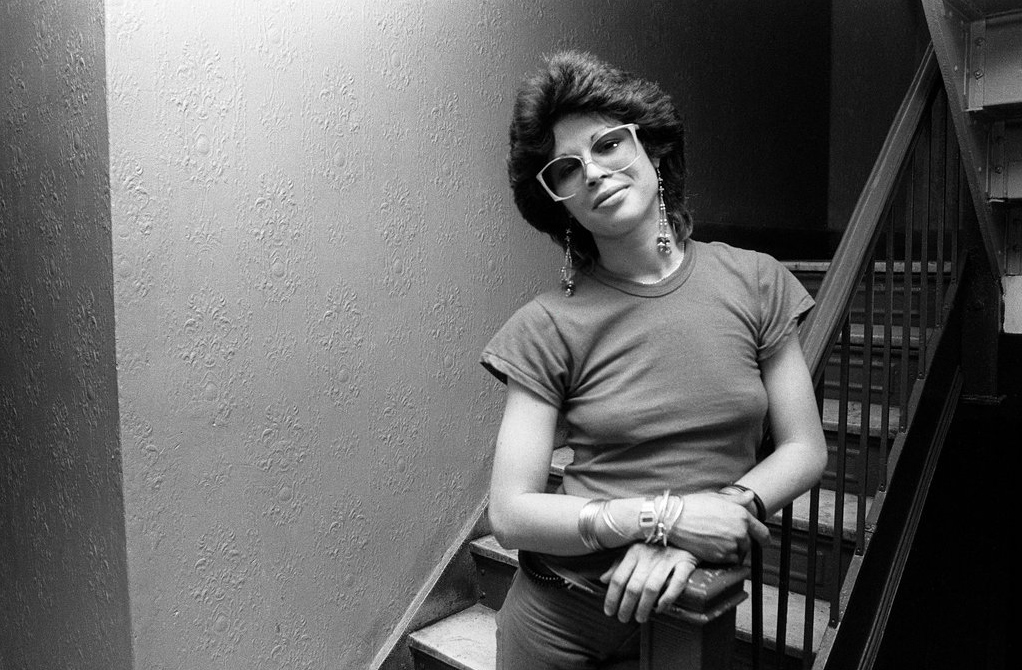
By the end of the decade the music was a business with lawyers, and the park jam was a story people told about how it used to be. What the eighties in New York produced wasn't a genre. It was a set of tools for making something out of very little, which is why it travelled so well, and why the people who invented it saw so little of what it earned.
Originally published in MOJO, September 2013
Photography: Angela
Words: Stuart