Four Sisters, One Bassline
They were teenagers from a burning borough, booked as an afterthought on somebody else's bill. Forty minutes later a room full of London post-punks had been shown exactly how much you could leave out of a song and still make people move.
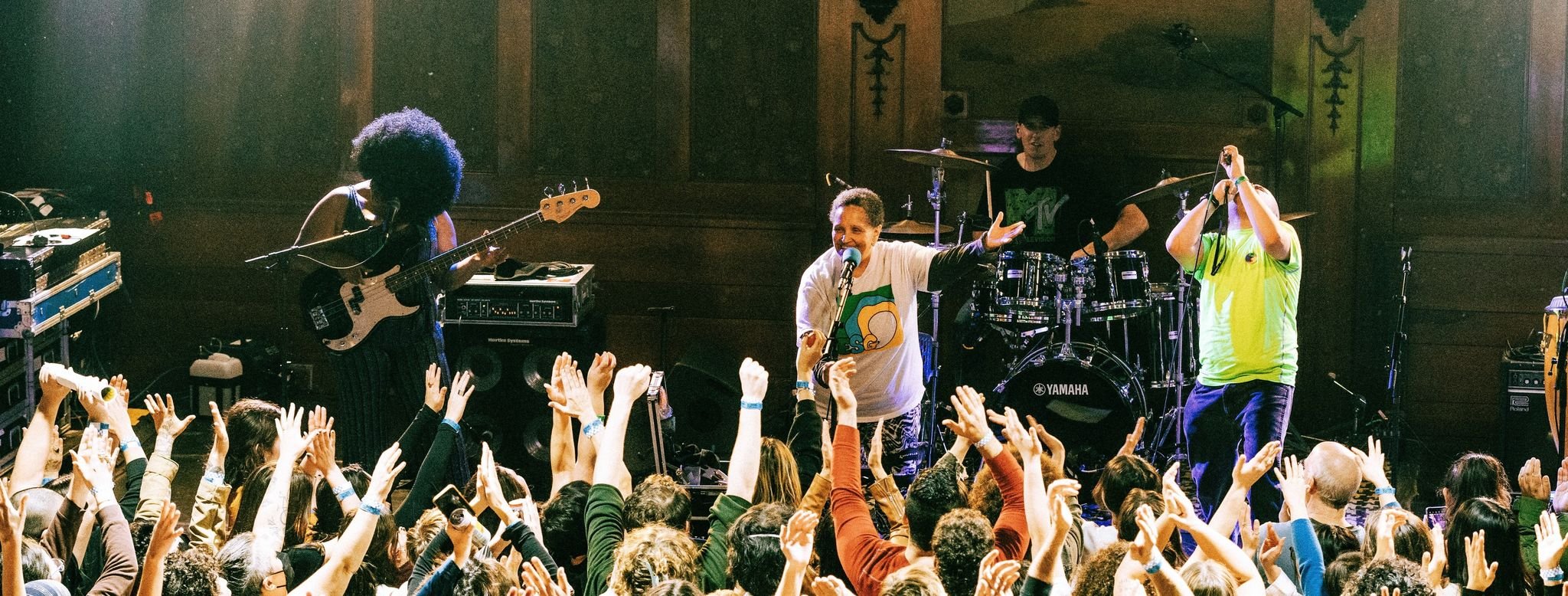
The billing barely mentioned them. A support slot, a foreign name nobody could parse, a booking made on the strength of a tape and a phone call. What walked onto the stage that night was four sisters from the South Bronx and a friend from the block, most of them still in their teens, carrying congas. Their mother had bought them instruments to keep them off streets where whole blocks were being left to burn. The London crowd had come for something angular and English and full of guitars, and had queued in the drizzle to get it. The first thing they got instead was a bass note, on its own, held for what felt like an unreasonable amount of time.
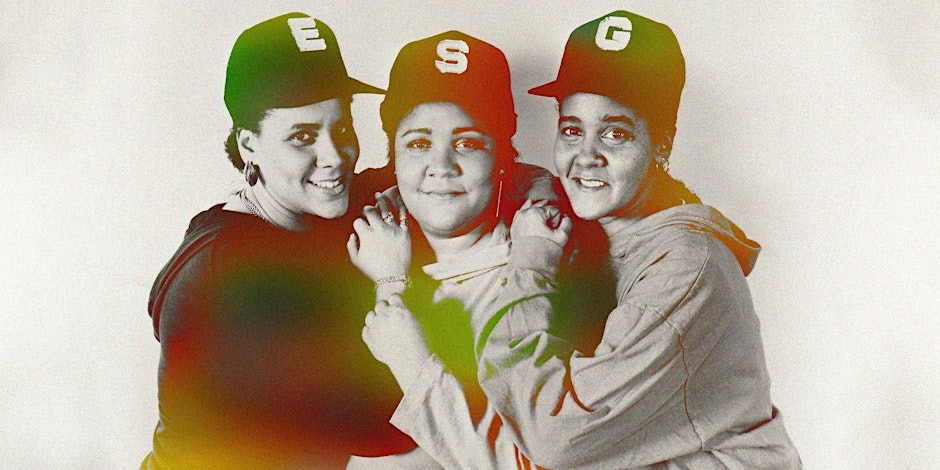
The trick of ESG was subtraction. Drums, bass, congas, a voice, and a guitar used more like a percussion instrument than anything else. No solos. No swelling middle eight. No chords where a single repeated note would do the same job harder. Everything that a band of that era would have used to fill the space had been taken out, and what was left was the space itself, which turned out to be the whole point. It was funk played by people who had absorbed as much punk as soul, arriving in a city that had spent three years pulling music apart and hadn't yet worked out what to build from the pieces.
“We’d booked them as the warm-up. Twenty minutes in I was stood at the back doing sums in my head, trying to work out how quickly I could get them back.”
– Karen Tate, promoter
For the first two numbers the room did what London rooms did in 1981: folded its arms and watched. Then the front third gave up and started moving, and the rest followed within a song, and by the end there was a crowd of art students and squat-scene regulars dancing properly, badly, with no idea of the etiquette and no way of stopping. The people who would matter later were mostly at the front — a handful of DJs, one or two producers, someone from a label who left before the encore to make a phone call. It has since become one of those nights that several hundred people remember attending, though the room did not hold several hundred people.
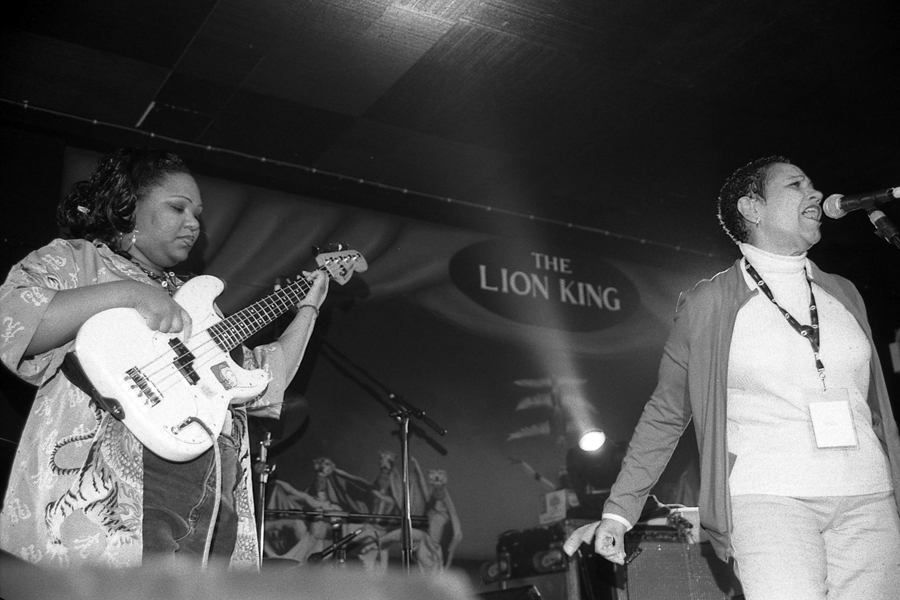
What followed is documented in a way the gig itself never was. A record deal, a producer better known for making things sound haunted, and an EP that quietly rearranged the next forty years of dance music. One instrumental from it — sparse, eerie, barely two minutes of anything at all — became one of the most sampled recordings ever made, lifted by hundreds of records whose makers mostly never asked and rarely paid. The sisters kept playing. The bassline kept turning up on other people's hits. Somewhere in a London venue that isn't there any more, a room full of people who'd come to see somebody else heard it first, and didn't know what to call it.