A Soho Label Goes to Kingston
A small independent label from a Soho side street spent eighteen months persuading the most reticent man in Jamaican music to sit down and talk. What they came back with turned out to be the last long conversation anyone would have with him.

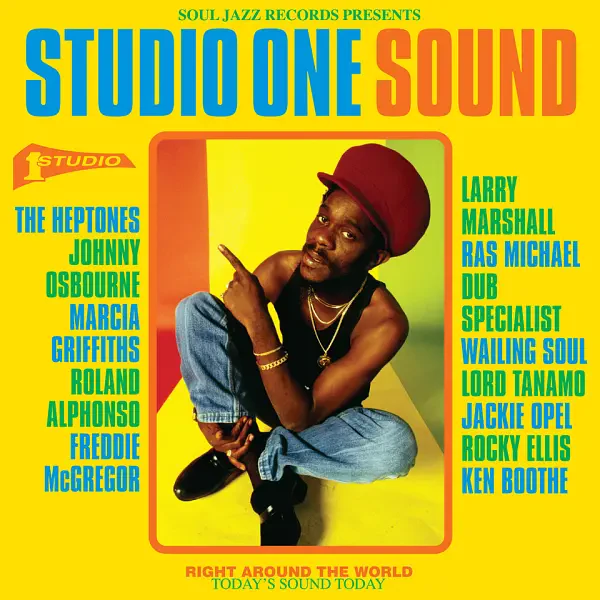
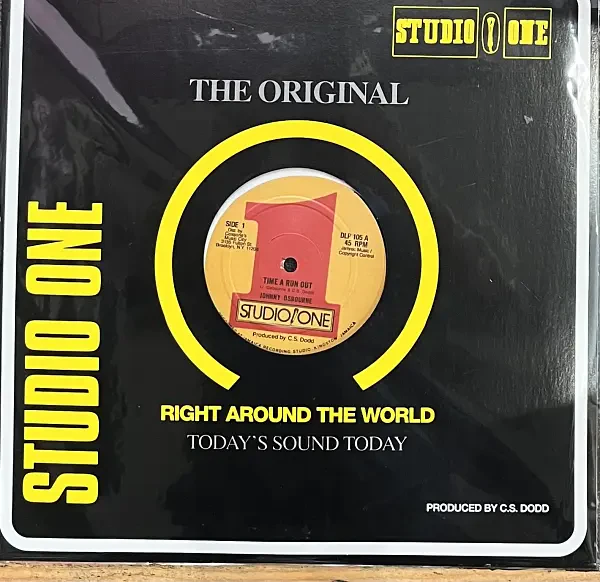
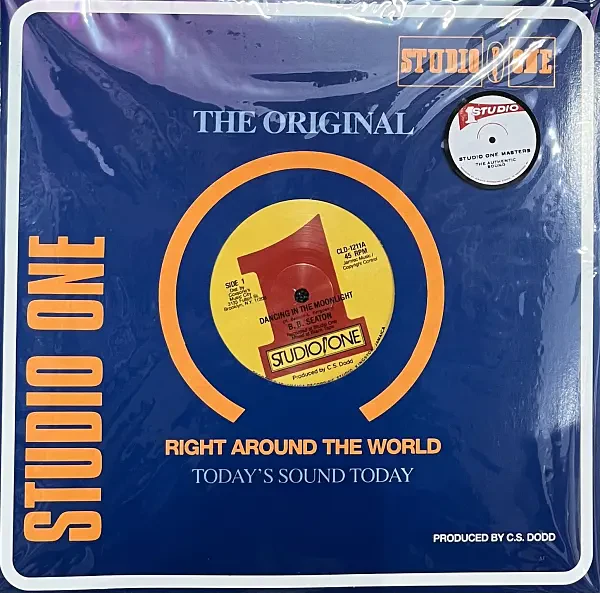
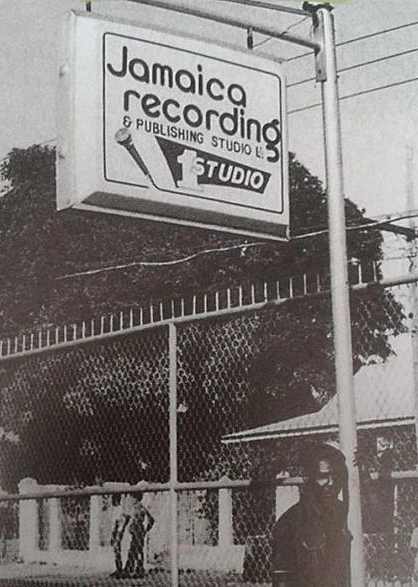
Soul Jazz Records operated out of a shop in Soho, a few rooms and a lot of vinyl, run by Stuart Baker on the reissue-label principle that if you love a catalogue enough you should probably go and find out where it came from. By 2002 the label had been putting out Studio One compilations for years. The obvious next step was also the least obvious: fly to Kingston, point a camera at Brentford Road, and try to get the story from the people who had lived it, before there was nobody left to ask. Nobody had properly done it. The archive of the most important record label in Jamaican history existed largely as records, memory and rumour.
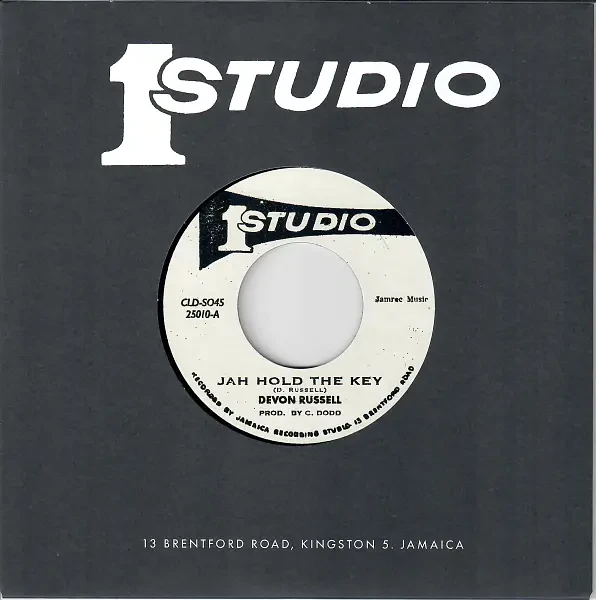
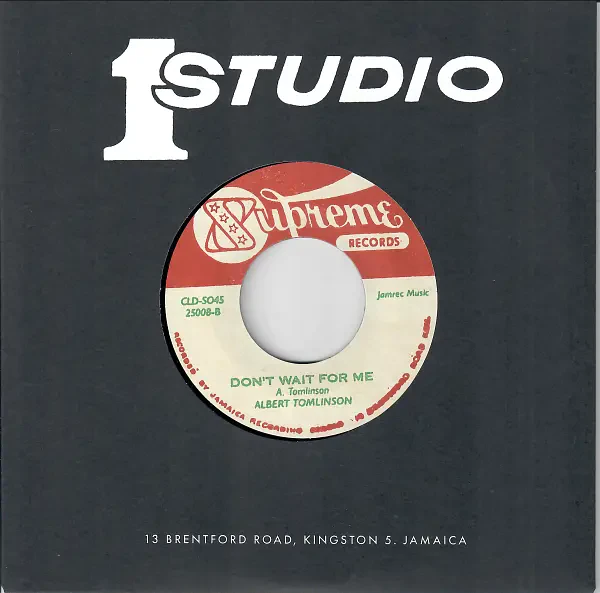
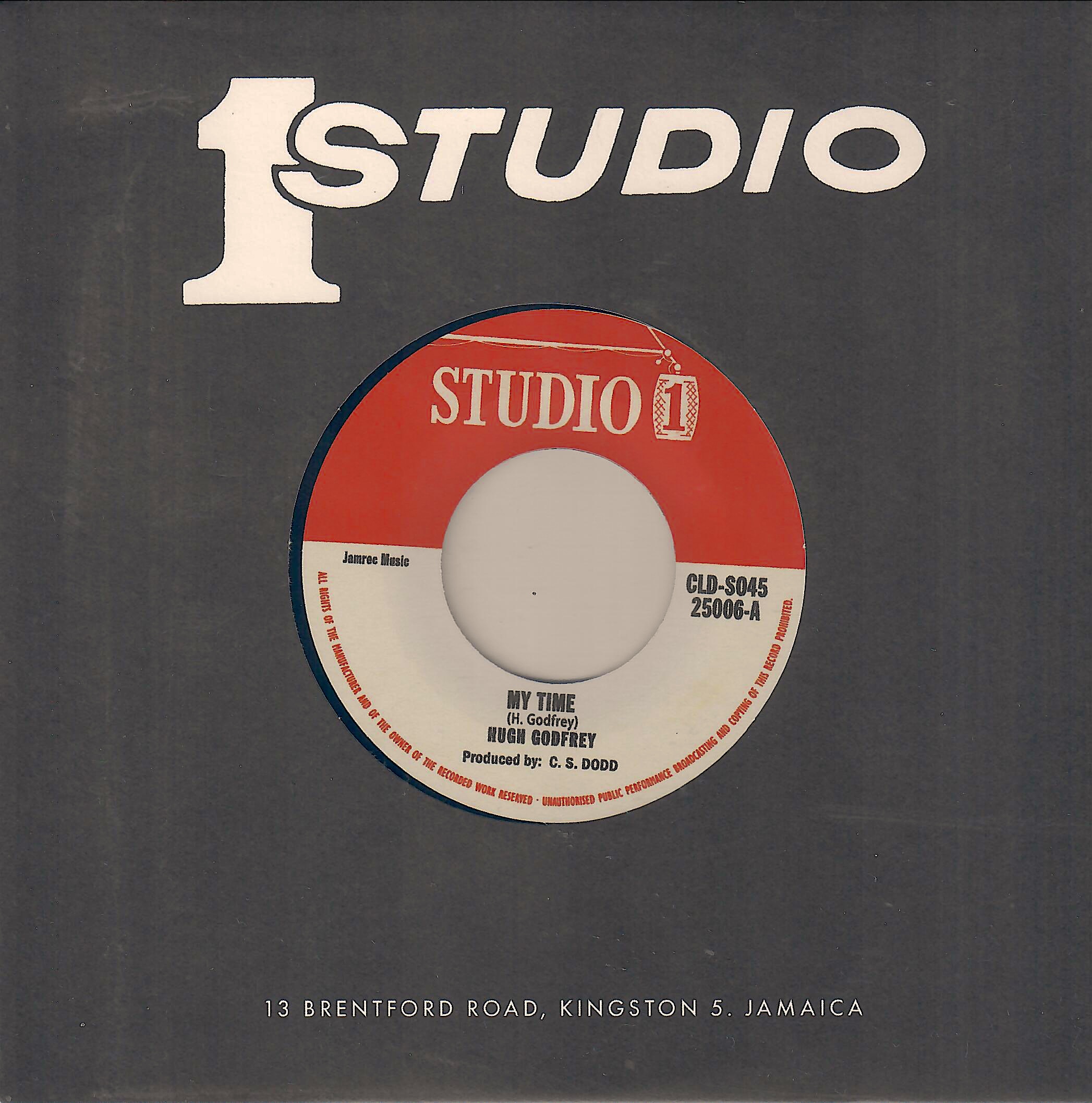
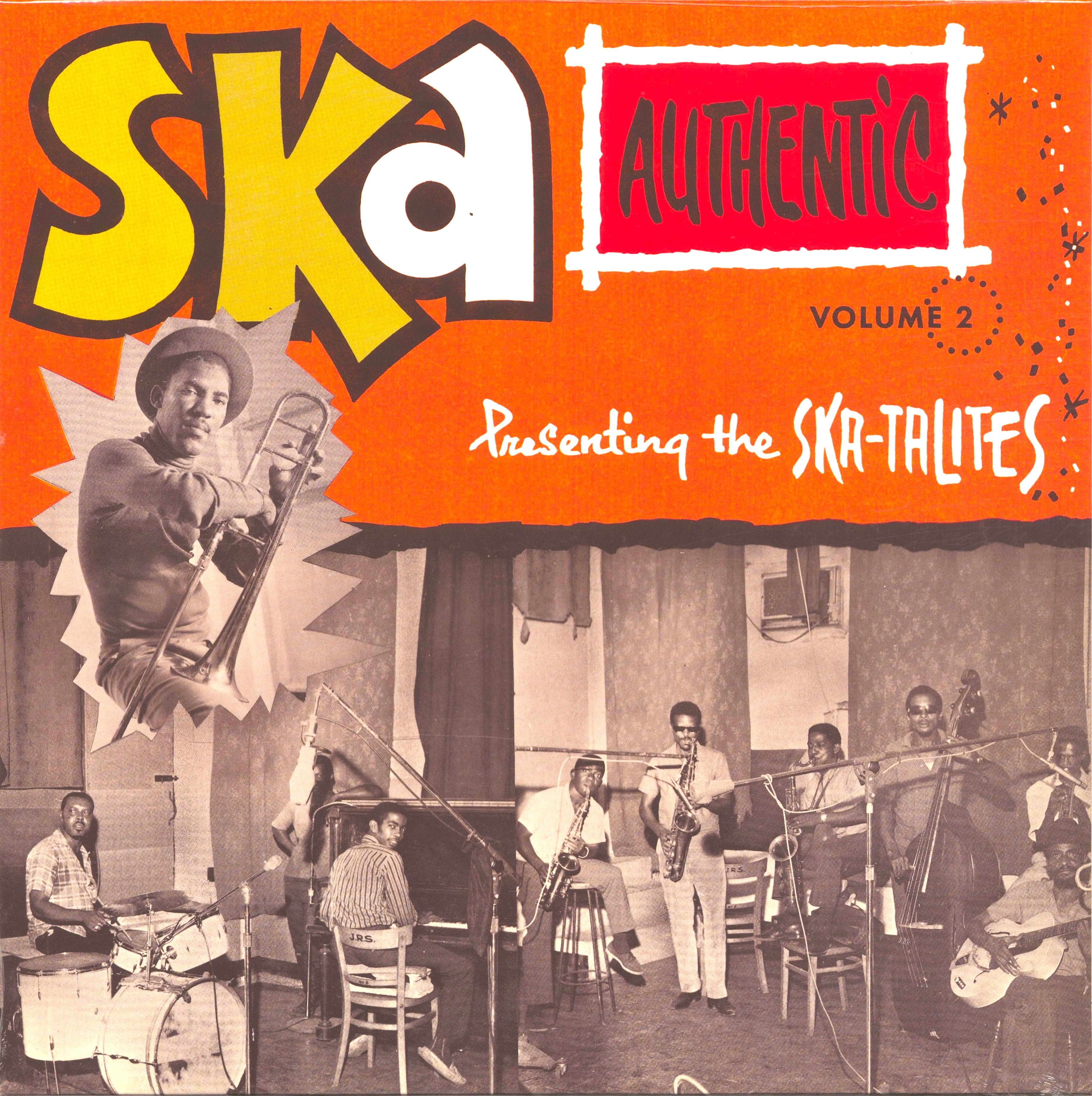
The difficulty was the central witness. Clement Dodd — Coxsone to everyone, Sir Coxsone on the sound system posters — had spent five decades declining to explain himself. He had run the Downbeat sound in the Kingston ghettos in the fifties, opened the studio on Brentford Road in the early sixties, and then presided over ska turning into rocksteady turning into reggae, with Bob Marley, Alton Ellis, the Heptones, Ken Boothe, Burning Spear and the Skatalites all coming through the same yard. He had also spent those decades not talking about it. Whatever combination of persistence, patience and genuine knowledge of the catalogue got him to sit down, it worked, and it had never worked for anyone before.
“They kept coming back. That's all it was, in the end. Plenty of people fly in for three days and want the whole life story by Friday. These ones kept coming back.”
— Winston Barnaby, driver and fixer on the shoot

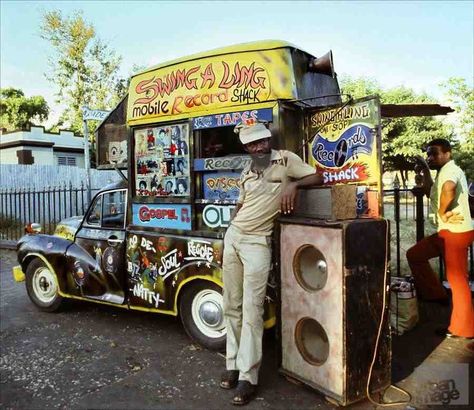
Around that central interview they built the city. Singers and toasters who had walked into the studio as teenagers and walked out with hits — Horace Andy, Ken Boothe, Sugar Minott, Dennis Alcapone, King Stitt, Lone Ranger. The engineers and horn players who had actually made the sound work. The old dancehall sites in Trenchtown, the Alpha Boys School where the nuns had taught half of Jamaica's brass section to read music, the record shops on Orange Street. Eighteen months of work turned into four hours of film, which is a length no commissioning editor would ever have approved, and exactly the length the story needed.
“Every one of us has a Brentford Road story. Nobody had ever asked us to tell it on camera. We'd all just assumed somebody already had.”
— Pauline Gordon, Orange Street record dealer
The ending arrived without warning and from outside the film. In May 2004, two years after the cameras left, Kingston renamed Brentford Road as Studio One Boulevard, with a ceremony and speeches and the man himself present. Three days later he died of a heart attack, aged seventy-two, at the studio. Whatever the trip had been intended as — a companion piece to a reissue series, a labour of love, an excuse to spend a summer in Kingston — it became the record. A small label from Soho had turned up with a camera and asked the questions two years before the last chance to ask them, which is either very good instincts or very good luck, and in reissue work the two are frequently hard to tell apart.
Originally published in the Guardian, October 2007
Words by Stuart Baker
Photography by Angela Scott
Studio One releases available from Soul Jazz Records